Read online The Early Anglo-Saxon Kingdoms of Southern Britain Ad 450-650: Beneath the Tribal Hidage - Sue Harrington | PDF
Related searches:
Early Anglo Saxon kingdoms - The British Library
The Early Anglo-Saxon Kingdoms of Southern Britain Ad 450-650: Beneath the Tribal Hidage
The earliest Anglo-Saxon kingdoms (Chapter 10) - The New
The Early Anglo-Saxon Kingdoms of Southern Britain AD 450-650
The 7 Great Kingdoms of the Anglo-Saxons History Hit
An Archaeology of the Early Anglo-Saxon Kingdoms: Amazon.co.uk
The Early Anglo Saxon Kingdoms Of Southern - Corgi HomePlan
Anglo Saxon Kings The Royal Family
The Anglo-Saxon Kingdoms of the Dark Ages - Historic UK
The Anglo-Saxons Western Civilization - Lumen Learning
The Early Anglo-Saxon Kingdoms Kanopy
Religion in the Anglo-Saxon Kingdoms - The British Library
Kingdoms of the Anglo-Saxons - Hwicce
Archaeology of the early anglo saxon kingdoms: Arnold : Free
The Christianization of Anglo-Saxon England
The Early Anglo Saxon Kingdoms Of Southern Britain Ad - Aanaab
An Archaeology of the Early Anglo-Saxon Kingdoms Taylor
The Spear in Early Anglo-Saxon England: A Social-Technological
Manuscripts in the Anglo-Saxon Kingdoms - Four Courts Press
Who Are the Earliest Anglo-Saxons - CORE
Everything You Need To Know About The Anglo-Saxons - HistoryExtra
The Early Anglo–Saxons c400–800 - Unit Y301 - OCR
The Convert Kings: Power and Religious Affiliation in Early Anglo
An Archaeology of the Early Anglo-Saxon Kingdoms - 2nd
The History of England: Early Anglo Saxon Age 500 - 800
Why this famed Anglo-Saxon ship burial was likely the last of
12 Warlords of the Anglo-Saxon Period History Hit
History of the Anglo Saxon Kingdoms Kings and Kingdoms of Early
Chapter 7 Constructing Early Anglo-Saxon Identity in the
How Anglo-Saxon England Made the Radical Change to
5 Sites That Tell the Story of Early Anglo-Saxon England
Kingdoms of the Anglo-Saxons - Lindisware / Lindsey
The Anglo-Saxon kingdoms - Everything2.com
The early Anglo-Saxon kingdoms of southern Britain, AD 450
History of the Anglo-Saxon Kingdoms: Kent - YouTube
Anglo-Saxon Companions of the Hearth - High Status Bromance
EBK for Kids: Who were the Saxons? - Early British Kingdoms
Anglo-Saxon settlement of Britain - Infogalactic: the
The Anglo-Saxon Conquerors: Creators of Medieval England
Cumbria, A Forgotten Celtic Kingdom The InHeritage Almanack
Anglo-saxon england was divided into the five main kingdoms of wessex, east anglia, mercia, northumbria and kent, each with its own king.
And as you will see, there are a lot more than seven, therefore laying to rest that hoary old myth of the anglo-saxon heptarchy. Bernicia - named after the former brythonic kingdom of bryneich based on the fortress of bamburgh, united in the early seventh century with deira to form northumbria.
Higham examines the role of christian conversion in the political policies and dynastic intrigue of the seventh-century anglo-saxon kings.
Beowulf and the anglo-saxon language� while anglo-saxons spoke different germanic dialects in their many kingdoms, especially earlier on, they developed a rich literary tradition that included beowulf and the anglo-saxon chronicle, a history of the time.
The transition from roman britain to early anglo-saxon england, traditionally. 26 described an archaeology of the early anglo-saxon kingdoms.
The hwicce (or hwicca) emerged from obscurity, probably from within territory controlled by the west seaxe, to form their own kingdom. The british kingdoms based on caer gloui (gloucester), caer ceri (cirencester) and most of caer baddan (bath) were overrun in a large-scale saxon attack in 577 and their last kings killed in battle.
The role of migration in the anglo-saxon transition in england remains controversial. Archaeological and historical evidence is inconclusive, but current.
The christianization of anglo-saxon england began towards the end of the 6 th century ad, and by the end of the succeeding century, all the kings of anglo-saxon england were christian, at least nominally. Thus, the christianization of anglo-saxon england may be said to have been a relatively rapid process.
The christian church had been well-established in roman britain by the early fifth century, and it suffered greatly from the invasions.
Kings and kingdoms of early anglo-saxon england provides a unique survey of the six major anglo-saxon kingdoms - kent, the east saxons, the east angles,.
The early anglo-saxon kingdoms� episode 3 of story of medieval england. See how the victories of the shadowy figure possibly identified with arthur.
Of seven kingdoms (northumbria, mercia, east anglia, wessex, essex, sussex and kent), while the main four in the ninth century were northumbria, mercia, east anglia and wessex. The boundaries fluctuated, and later divisions between england and other parts of mainland britain were not yet in existence.
The anglian collection is probably compiled during this period in northumbria, and contains the pedigrees for six anglo-saxon kingdoms, including lindsey. By now the lindisware are called the lindfeana by the northumbrian writers. Today, the earliest surviving of four copies is mercian, from the first half of the ninth century.
For over 600 years, from the departure of the romans in 410 to the arrival of the normans in 1066, england was dominated by the anglo-saxon peoples. These centuries saw many great wars between anglo-saxon kingdoms, such as mercia and wessex, and against viking invaders.
Buy the early anglo-saxon kingdoms of southern britain ad 450-650: beneath the tribal hidage illustrated by harrington, sue, welch, martin (isbn: 9781782976127) from amazon's book store.
During his reign, wessex became christian, but did not do well against its anglo saxom competitors. This meanty thatcybegils lost the territory ceawlin had won north of the thames. During his reign, edwin of northumbria was recognised as the bretwalda.
Jul 21, 2016 - early anglo-saxon kingdoms were founded by warlords who came to the british isles from scandinavia.
We use the term ‘anglo-saxons’ to describe a mix of people from northern germany and denmark who came to britain from the mid-fifth century ad, after the collapse of roman rule. They may have absorbed parts of the existing romano-british population.
An icon used to represent a menu that can be toggled by interacting with this icon.
The origins of anglo saxon kingdoms, which is also termed as the heptarchy starts from the 5 th century following the end of the rule of the romans in britain. Although the heptarchy marked the existence of the all seven early british anglo saxon kingdoms, it never did imply the existence of a stable group of these seven kingdoms.
The kingdoms of anglo-saxon england for much of the period between the 5th and 9th centuries, anglo-saxon england was divided into seven kingdoms, which are known to historians as the “heptarchy. ” northumbria was the most northerly of these kingdoms, while the middle of england was the kingdom of mercia.
5 jul 2019 anglo-saxon england was an era marked by vicious bloodshed, religious fervour� and warring kingdoms.
The anglo-saxons were comprised of people from germanic tribes who migrated to great britain from continental europe; they inhabited the island from 450-1066.
The angles established the kingdoms of east anglia, northumbria and mercia, the saxons the kingdoms of wessex, essex and sussex, and the jutes the kingdom of kent. Unlike the local britons, the anglo-saxons were not christians, they were pagans. It seems that christianity was almost wiped out in britain as a result of this political change.
Central to the re-evaluation of the germanic migration and its impact on post- roman britain is the relationship between romano-british and anglo-saxon.
London ↑ hawkes, s chadwick 1982: 'anglo-saxon kent c 425–725.
The anglo-saxon settlement of britain was a process by which germanic invaders who arrived in britain in the mid-5th century quickly pushed the britons into fringes of the island and established a series of kingdoms, which by the 8th century became increasingly sophisticated with rulers who were among the most powerful in europe.
The first room acts as a brilliant introduction to the exhibition, setting the anglo- saxon culture as a fusion of roman, germanic and indigenous influences.
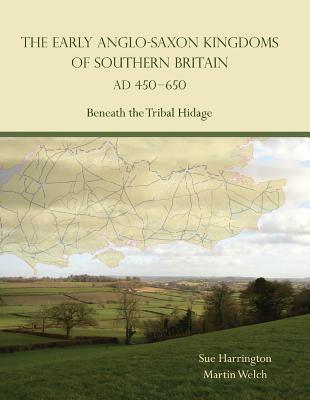
The early anglo-saxon kingdoms of southern britain ad 450-650 book description: the tribal hidage, attributed to the 7th century, records the named groups and polities of early anglo-saxon england and the taxation tribute due from their lands and surpluses.
James the anglo-saxons following the end of roman rule in britain (5th century), a patchwork of numerous kingdoms was established in england by the anglo-saxons. These kingdoms were independent and many of them had their own king. Some of the main kingdoms were northumbria, mercia, kent, east anglia, essex, wessex and sussex.
Anglo-saxons early anglo-saxon kingdoms kent east anglia northumbria mercia.
Born in wessex in the early 890s, king athelstan is though of by many historians as the first king of england. In 927 he conquered york, the last remaining viking kingdom in england. Harold godwinson (harold ii) was the last anglo-saxon king of england.
Manuscripts that were made and used in the anglo-saxon kingdoms before the norman conquest of england are treasure troves of art and text.
Kings and kingdoms of early anglo-saxon england provides a unique survey of the the earliest english kings is a fascinating survey of anglo-saxon history.
Buy kings and kingdoms of early anglo-saxon england 1 by yorke, dr barbara ( isbn: 9780415166393) from amazon's book store.
The most powerful anglo-saxon kingdoms survived the viking invasion that began in the ninth century. They went on to unite as the kingdom of england in 927 and form the basis of the modern british.
The various anglo-saxon kingdoms were founded by immigrants from northern continental europe who landed and settled in different parts of england during the 5th and 6th centuries. The numerous early settlements, described in the 11th century tribal hidage [1], grouped together over time into seven main kingdoms.
At first england was divided into many little kingdoms, from which the main kingdoms emerged; bernicia, deira, east anglia (east angles), essex (east saxon),.
The history of anglo-saxon england covers the history of early medieval england from the end of roman britain and the establishment of anglo-saxon kingdoms in the 5th century until the conquest by the normans in 1066.
For over 600 years, from the departure of the romans in 410 to the arrival of the normans in 1066, england was dominated by the anglo-saxon peoples. These centuries saw many great wars between anglo-saxon kingdoms, such as mercia and wessex, and against viking invaders. Here are 12 of the men and women who commanded armies in these bloody.
Buy the early anglo-saxon kingdoms of southern britain ad 450-650: beneath the tribal hidage reprint by welch, martin, harrington, sue (isbn: 9781785709708) from amazon's book store.
The book is about invasion of anglo-saxon population which became the one of the most influenced invasion in history of great britain.
Some british kingdoms initially survived the onslaught, such as strathclyde, which was wedged in the north between pictland and the new anglo-saxon kingdom of northumbria. By ad 650, the british isles were a patchwork of many kingdoms founded from native or immigrant communities and led by powerful chieftains or kings.
Although kent is one of the smaller anglo-saxon kingdoms, there is one field in which it retains a certain pre-eminence. The reason is the arrival in597 in canterbury, the kentish capital, of a party of monks sent from rome by pope gregory i and led by augustine (subsequently st augustine, the first archbishop of canterbury).
Anglo-saxon kingdoms the anglo-saxons were the dominant peoples on the island of britain from 550 to 1066. At first the lands were divided up into many small kingdoms, but eventually certain kingdoms began to dominate. The first kingdom to dominate was northumbria in the early 600s, a kingdom to the north that was settled by the angles.
Anglo-saxon england was an era marked by vicious bloodshed, religious fervour, and warring kingdoms. Yet it also saw the development of great art, poetry, and institutions from which emerged the unified kingdom of england, belying the popular characterisation as a “dark age”.
This period of history is sometimes referred to as sub-roman britain or the early anglo-saxon period.
Anglo-saxon history timeline timeline description: the angles and the saxons are tribes commonly associated with the early medieval history of britain. These tribes formed the first kingdoms in england after the departure of the romans.
Kings and kingdoms of early anglo-saxon england from inside the book what people are saying - write a review contents other editions - view all common.
The 5th and 6th centuries are known archaeologically as sub-roman britain, or in popular history as the dark ages; from the 6th century larger distinctive.
History of the heptarchy, the seven kingdoms of anglo-saxon england.
The process by which some anglo-saxon kingdoms developed can be seen in the case of kent. The kingdom of kent was probably formed in the 6th century by the coming together of at least two smaller kingdoms. By the 590s, king æthelberht (died 616?) was the most powerful ruler in southern britain, and kent was one of the wealthiest kingdoms.
Anglo-saxon, term used historically to describe any member of the germanic peoples who, from the 5th century ce to the time of the norman conquest (1066), inhabited and ruled territories that are today part of england and wales.
The asc gives a description of the build up to the battle and the battle itself. However, there is disagreement by historians on the accuracy of the date.
The early anglo-saxon period covers the period of medieval britain that starts from the end of roman rule. By the year 400, southern britain—britain below hadrian’s wall—was a peripheral part of the western roman empire, occasionally lost to rebellion or invasion, but until then always eventually recovered.
General note: this dissertation studies the history of the early medieval english iron spearhead, an artifact whose interpretation has been central to debates about.
Kings and kingdoms of early anglo-saxon england provides a unique survey of the six major anglo-saxon kingdoms - kent, the east saxons, the east angles, northumbria, mercia and wessex - and their royal families, examining the most recent research in this field.
Ad 450 650 beneath the tribal hidage c3af2ba6d2a2ec595907d5bb5f922eb0.
By the end of the seventh century, there are seven main anglo-saxon kingdoms in what is today modern england, excluding kernow� follow the links below to our guides to the anglo-saxon kingdoms and monarchs. • northumbria, • mercia, • east anglia, • wessex, • kent, • sussex and • essex.
The largest early anglo-saxon kingdom was wessex, the kingdom of the west saxons. Northern territories were later known as northumberland or lands to the north of the humber. These kingdoms, once created, waged war against each other until the first half of the 9th century.
Those writings that do describe pagan customs in the early anglo-saxon kingdoms were written by composed by churchmen, such as bede (died 735). Bede’s descriptions of temples, priests and the various pagan gods seem to be based on greco-roman mythology, rather than first-hand experience of anglo-saxon paganism.
The re-establishment of the mercian supremacy by offa is the central fact in english history in the second half of the eighth century.
26 apr 2020 bede names three of these tribes: the angles, saxons and jutes. There were probably many other peoples who set out for britain in the early fifth.
The early anglo-saxon kingdoms of southern britain, ad 450-650� beneath the tribal hidage / sue harrington and martin welch.
Kings and kingdoms of early anglo-saxon england by yorke, barbara at abebooks. Uk - isbn 10: 1852640278 - isbn 13: 9781852640279 - trafalgar.
(2006) suggested that the early anglo-saxon kingdoms imposed a sexual apartheid-type system on their british subjects for up to 15 generations (approx.
Post Your Comments: